Loading...


Provided By
-
Sold by SupFolio Platform
Description
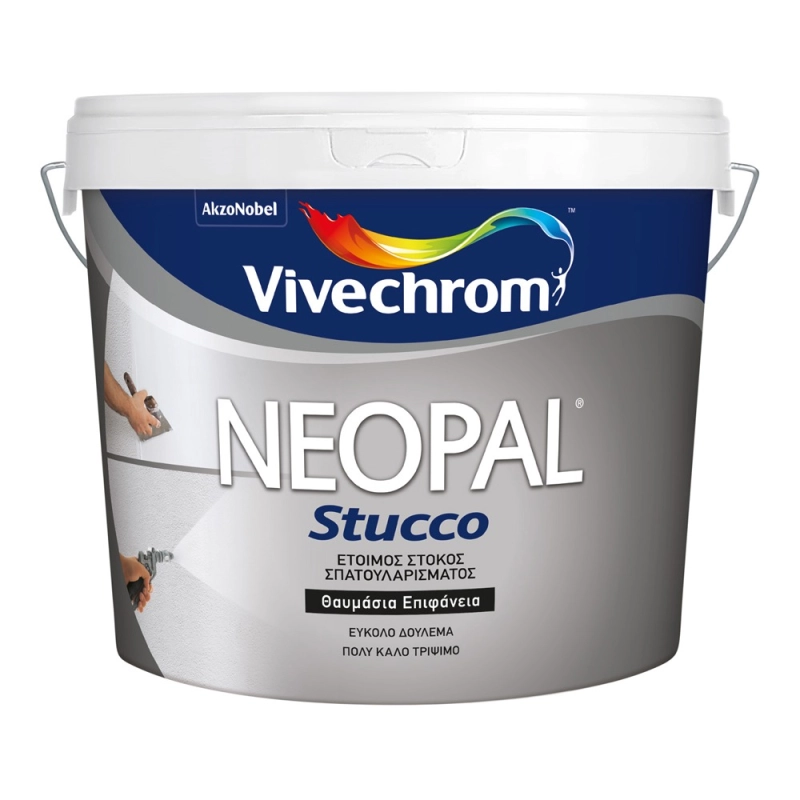
Ready-to-Use Spatula-Applied Joint Compound
Coverage
A total application thickness of 0.5–2 mm is recommended, in one or two coats. It has excellent filling capacity, filling flat drywall panels with just one coat and their joints with two coats. For fine-grained plaster, two coats are required.
- Drying time: 2–3 hours
- Coats: 1
Product Features
- Easy to Sand
- Excellent Filling Power
- Easy to Apply
- Ready to Use
Application Description
Trowel, roller, or airless spray gun
Specifications & Forms
Keep out of reach of children • If you seek medical advice, take the product container or label with you • Avoid contact with eyes, skin, or clothing • Call a POISON CONTROL CENTER or a doctor if you feel unwell • Contains a biocidal product—1,2-benzisothiazol-3(2H)-one and a mixture of 5-chloro-2-methyl-4-isothiazolin-3-one with 2-methyl-2H-isothiazol-3-one (3-1). May cause an allergic reaction • Do not pour down the drain • Dispose of contents and container in accordance with applicable laws. Poison Control Center Phone: Greece - 210 7793777 / Cyprus - 1401
Lift with care – weight exceeds 10 kg.
Preparation & Storage
1. Surface Preparation
Surfaces must be clean, dry, and free of defective or poorly bonded materials, dust, oils, and salts. Processes such as dry sanding, flame cutting, or welding of painted surfaces will generate dust and/or hazardous fumes. Wet sanding should be used whenever possible. Work in a well-ventilated area. Use appropriate respiratory protection.
2. After use
• Remove as much material as possible from the tools before cleaning them • Clean the tools immediately after use with water and a detergent solution • Do not empty or rinse containers and tools of paint or paint residue down the sink, toilet, drain, or into the trash can.
Shop Policies
Operational policy
Test
Delivery Policy
test
Refund Policy
Test